
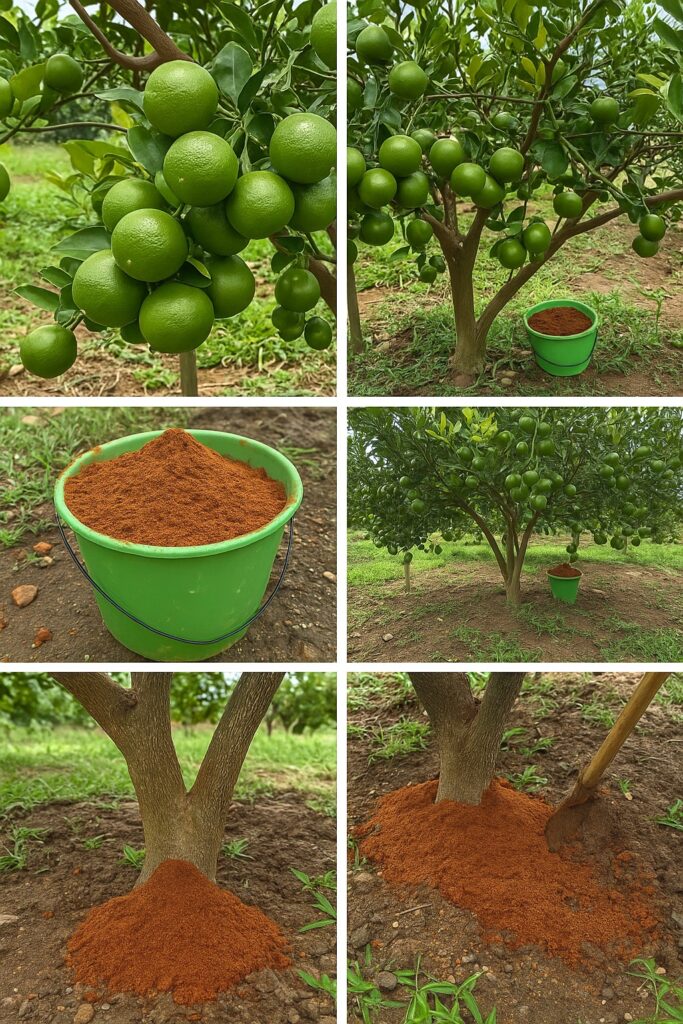
Many gardeners dream of growing their own citrus trees, but the long wait for fruit can be discouraging. However, there’s a little-known technique that speeds up the process dramatically—making it possible to grow lemon trees that bear fruit in as little as three months. This fast-track propagation method uses mature cuttings and organic growing practices to produce early-fruiting lemon trees, even in containers.
Whether you have a small garden, a patio, or just a sunny balcony, you can use this method to grow lemons quickly and efficiently. It requires minimal space, a few natural materials, and careful handling of mature branches.
Why Traditional Lemon Trees Take Years
Most lemon trees grown from seed take 3 to 5 years or more to bear fruit. That’s because seed-grown trees must go through a long juvenile stage before reaching maturity. In contrast, propagating from cuttings taken from mature, fruiting lemon trees bypasses this juvenile phase—allowing you to grow a tree that is already biologically ready to produce fruit.
The secret lies in selecting the right cuttings, providing them with the proper environment, and boosting growth with organic nutrition.
What You’ll Need
Here’s what you’ll need to start propagating your lemon tree:
- A healthy, fruit-bearing lemon tree (source of cuttings)
- Sharp garden shears or a knife
- Rooting hormone (optional but helpful)
- Potting containers (medium to large, with drainage holes)
- Well-draining soil (loamy mix or compost-sand blend)
- Clear plastic bags or a humidity dome
- Organic fertilizer (compost tea, banana peel water, or vermicompost)
Step 1: Select the Right Cutting
The success of fast propagation starts with the right branch. Choose a semi-hardwood cutting from a mature lemon tree that has already produced fruit. The ideal cutting should be:
- 6–8 inches long
- Pencil-thick in diameter
- Contain at least 3–4 healthy leaf nodes
- Free of disease or pests
Make the cut at a 45-degree angle using sterilized garden shears.
Step 2: Prepare the Cutting
Remove the lower leaves, leaving only 1–2 at the top to reduce moisture loss. Optionally, dip the cut end in rooting hormone to stimulate faster root development.
You can also use a natural rooting solution like:
- Aloe vera gel
- Cinnamon powder
- Willow water (soak young willow twigs in water overnight)
Let the cutting air-dry for about an hour before planting to reduce the risk of rot.
Step 3: Plant the Cutting
Fill a medium-sized container with a light, well-draining mix:
- 50% compost
- 25% sand or perlite
- 25% coco coir or peat moss
Insert the cutting 2–3 inches deep, firm the soil around the base, and water lightly.
Cover the pot with a clear plastic bag or place it in a mini greenhouse to maintain high humidity. This step is essential to prevent dehydration while the cutting develops roots.
Place the container in indirect sunlight, keeping the temperature between 21–26°C (70–79°F).