
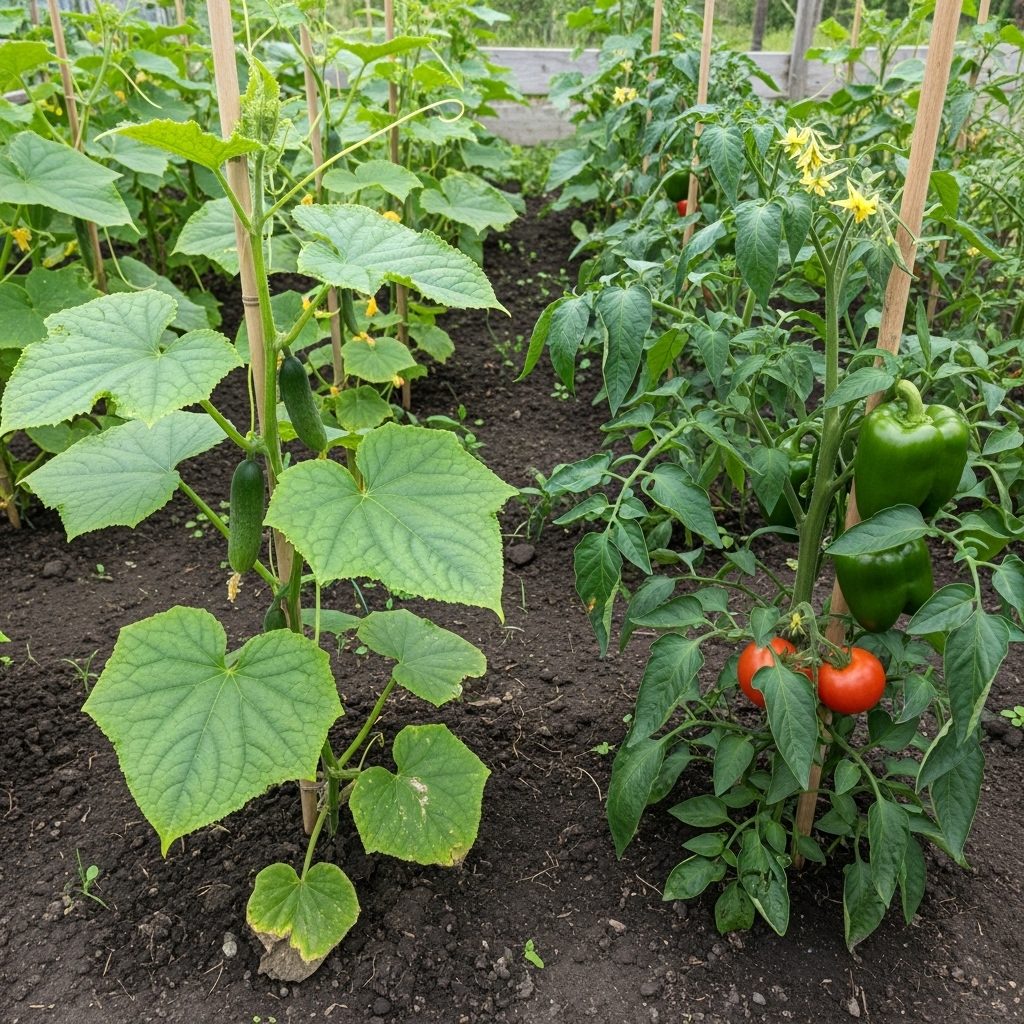
If your tomato, pepper, or cucumber seedlings look weak, pale, or slow-growing, don’t worry — there’s a simple, affordable, and natural solution that can turn things around quickly. This single fertilizer strengthens even the frailest seedlings, helping them develop sturdy stems, lush green leaves, and strong root systems.
Early growth is critical for vegetables. The stronger the seedling, the better the plant’s resistance to stress, diseases, and pests — and the more productive it will be during the fruiting season. This easy-to-make fertilizer is suitable for all common vegetable seedlings and is especially useful during the early stages of growth when plants need extra support.
Why Seedlings Become Weak
Weak seedlings often result from poor light, temperature stress, or nutrient deficiency. Even under ideal conditions, some seedlings naturally grow slower than others. You may notice thin stems, pale green or yellow leaves, or stunted root development. Left unchecked, these seedlings may not survive transplantation or may produce lower yields later on.
To prevent this, the right early feeding can give plants exactly what they need to build strength from the inside out.
The Miracle Ingredient: Yeast
Yes — ordinary baker’s yeast is the main ingredient in this powerful growth booster. Though it’s often associated with baking, yeast is packed with beneficial compounds that plants love, especially during early development.
What Makes Yeast So Effective?
- B vitamins: Vital for cell division and plant metabolism.
- Enzymes and amino acids: Support strong root and shoot development.
- Natural growth hormones: Encourage balanced growth and reduce stress.
- Microbial stimulation: Yeast feeds beneficial soil microbes that improve nutrient availability.
Combined with sugar and water, yeast becomes a bioactive tonic that jumpstarts plant metabolism and strengthens fragile seedlings.
How to Prepare the Yeast Fertilizer
Ingredients:
- 10 grams of dry yeast (or 25 grams fresh yeast)
- 2 tablespoons of sugar
- 1 liter of warm water
Instructions:
- Dissolve the sugar in warm water (not hot).
- Add the yeast and stir well.
- Let the mixture sit for 2–3 hours in a warm place until fermentation begins. You’ll notice some bubbling or foaming on the surface — that’s a good sign.
Once fermented, the mixture is ready to use — but it should be diluted before application.
How to Use It on Seedlings
Dilution Ratio:
Mix the fermented solution with water in a 1:5 ratio (1 liter yeast mixture to 5 liters of water).
Application Method:
- Use a watering can to apply directly to the soil around the seedlings.
- Apply when the seedlings have at least one set of true leaves.
- Water gently to avoid disturbing the roots.
How Much to Use:
Apply around 100–150 ml per seedling, depending on container size. For tray-grown seedlings, adjust the amount accordingly.
When and How Often to Apply
- First application: When seedlings have formed their first true leaves.
- Follow-up feeding: Repeat after 10–14 days if needed, especially if plants still appear weak or slow-growing.
- Avoid overuse: Use no more than twice before transplanting. Overfeeding can lead to excessive vegetative growth or nutrient imbalance.
What to Expect After Feeding
Within 3–5 days of application, you’ll likely notice visible improvements:
- Greener, stronger leaves
- Thicker stems
- Faster growth
- Healthier root systems
- Improved resistance to disease and transplant shock
Seedlings that once appeared limp or slow suddenly perk up and grow with noticeable vigor. Many gardeners find that using this yeast-based fertilizer eliminates the need for additional early-stage feeding altogether.
Bonus Tips for Seedling Success
- Provide plenty of light: Weak seedlings often suffer from insufficient light. Aim for 12–14 hours daily using natural sunlight or grow lights.
- Keep temperatures stable: Most vegetable seedlings prefer 20–24°C (68–75°F).
- Avoid overwatering: Let the top layer of soil dry slightly between waterings to prevent root rot.
- Use bottom watering: Placing water in a tray under the containers allows seedlings to absorb moisture without disturbing roots.