
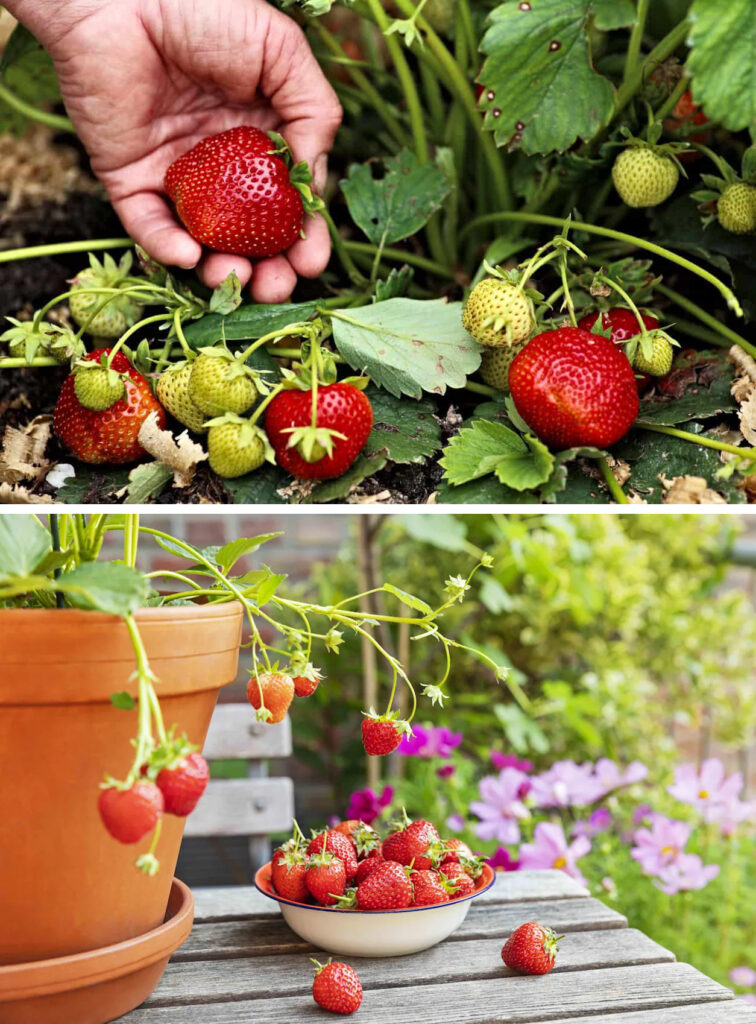
There’s a particular joy in plucking a ripe strawberry straight from the plant. It’s still warm from the sun, deep red all the way through, and when you bite into it, sweetness, a little tang, and that unmistakable taste of summer.
But let’s be honest, not all homegrown strawberries are created equal. Some end up tiny, tart, or disappointingly bland. Others are plump, bursting with flavor, and seem to multiply every time you turn your back. The difference isn’t luck, it’s how you grow them.
If you’ve ever wondered how to get the kind of strawberries that make people gasp when you bring them to a picnic, this guide’s for you.
With the right care, a few time-tested tricks, and a little patience, you can turn a single strawberry patch into a season-long harvest of sweet, oversized berries you’ll be proud to share or keep all to yourself.
Choose the Right Strawberry Variety
All strawberries aren’t the same. If you’re after a big, impressive crop, start with a June-bearing variety like Allstar, Chandler, or Honeoye. These produce one massive flush of fruit in early summer and the berries tend to be the largest.
If you prefer a steady supply, go with everbearing or day-neutral types like Albion or Seascape, which deliver smaller harvests throughout the season. It’s not a bad idea to grow both if you have space.
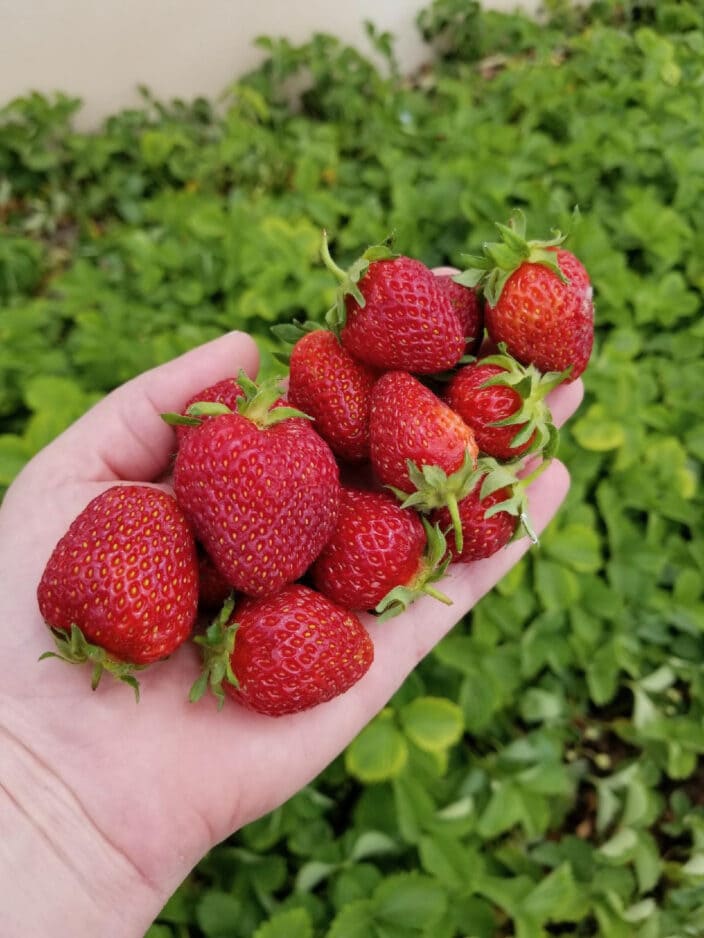
Give Strawberry Plants What They Crave
Strawberries are sun-lovers, and if you want full-flavored fruit, you need at least six hours a day, though more is better.
Shade might keep the leaves green, but it’ll rob you of sweetness. So, you should choose a spot with good airflow and soil that drains easily.
Raised beds work beautifully, especially if your ground tends to hold water. Before planting, enrich the soil with compost or aged manure. Loamy, loose soil encourages strong root growth and bigger fruit.
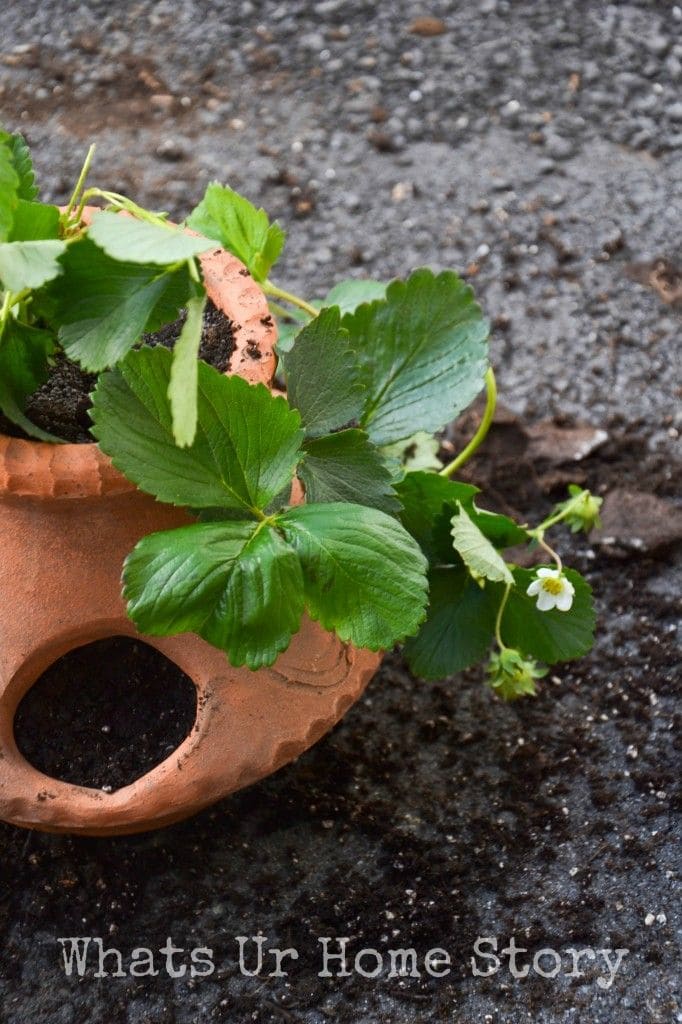
And here’s a trick passed around by old-school gardeners, mix a small handful of used coffee grounds into the soil every few weeks. It adds gentle acidity and a touch of nitrogen, both of which strawberries appreciate. You’ll notice greener leaves, stronger stems, and sweeter berries.
Want Sweeter Strawberries? Try This
Early in the season, a pinch of baking soda at the base of each plant can subtly reduce soil acidity and enhance flavor but don’t go overboard.
Just half a teaspoon per plant, gently worked into the topsoil. The change isn’t dramatic, but many growers swear the berries taste just a bit brighter and sweeter.