
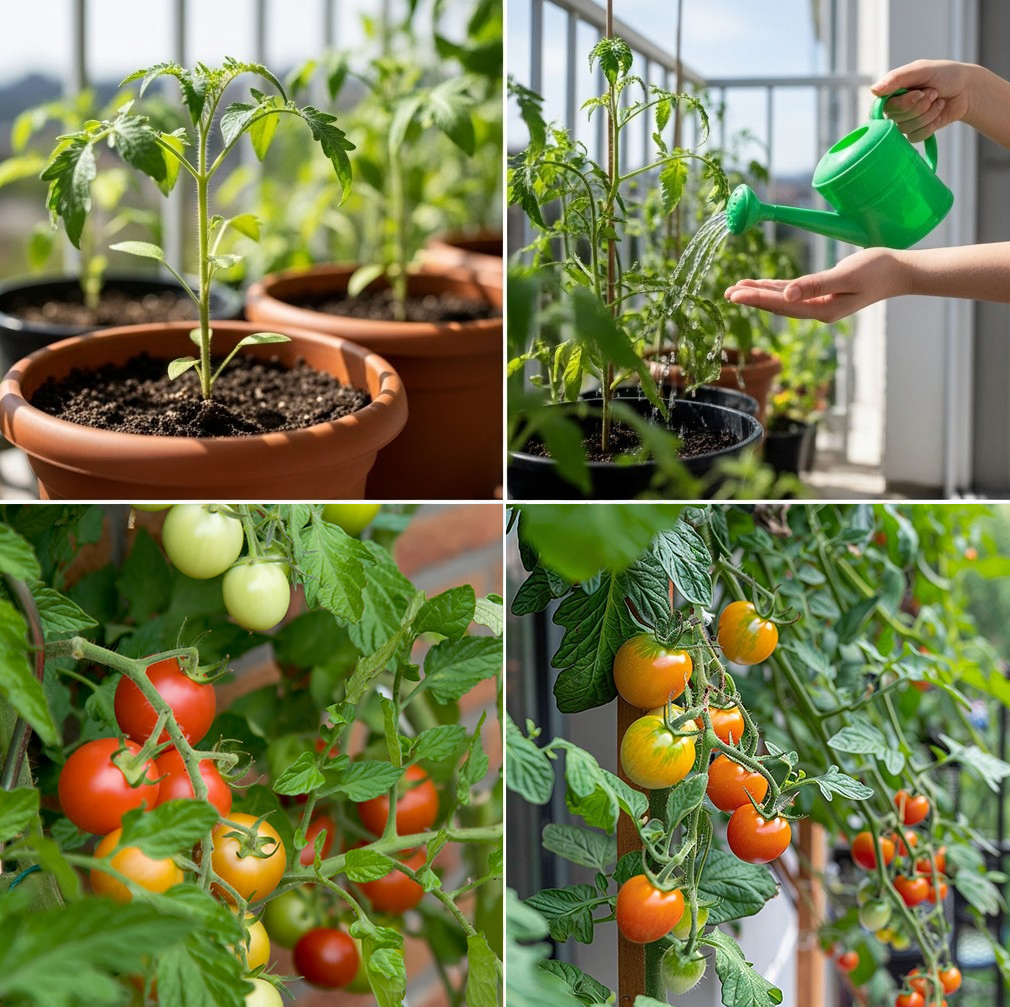
Growing Tomatoes on the Balcony: A Surprising Success
Growing tomatoes on the balcony can be an incredibly rewarding experience, even for those with limited space. Many gardeners assume that tomatoes require a large garden to thrive, but with the right techniques, you can cultivate a healthy and abundant crop right in your urban setting. In fact, the unexpected often happens when you experiment with container gardening—larger yields, healthier plants, and even discovering new gardening techniques that work best in your specific environment.
Choosing the Right Tomato Variety
One of the key factors in successfully growing tomatoes on a balcony is selecting the right variety. While all tomatoes can technically grow in containers, some are better suited for small spaces than others. Cherry tomatoes, Roma tomatoes, and dwarf or patio varieties are excellent choices as they require less space but still produce a generous amount of fruit. Determinate (bush) varieties are particularly beneficial because they grow to a specific height and set fruit all at once, making them easier to manage in a confined area.
Selecting the Right Containers
Container size plays a crucial role in the growth of your tomato plants. Since tomatoes have deep root systems, they need sufficient space to spread and develop. A container with at least 5 gallons (19 liters) of capacity is ideal. Make sure your container has drainage holes to prevent waterlogging, which can lead to root rot. If possible, opt for self-watering containers or use saucers to retain some moisture, especially in hot weather.
The Best Soil for Balcony Tomatoes
Tomatoes thrive in nutrient-rich, well-draining soil. A high-quality potting mix with added compost and organic matter is perfect for ensuring healthy root growth. Avoid using garden soil, as it may compact in containers and hinder proper aeration. Adding perlite or coco coir can further improve drainage and moisture retention.
Proper Sunlight and Placement
Tomatoes are sun-loving plants that require at least 6–8 hours of direct sunlight per day. Position your containers on the sunniest part of your balcony, ideally facing south or west to maximize sun exposure. If natural sunlight is limited, consider using grow lights to supplement the light requirement, especially during cloudy days or in regions with shorter daylight hours.
Watering and Fertilizing
Consistent watering is crucial for container-grown tomatoes. They need moist but not waterlogged soil. Water your tomatoes deeply, ensuring the moisture reaches the roots. In hot weather, they may require watering twice a day, while in cooler conditions, once a day may be sufficient. The key is to keep the soil consistently damp but not soggy.
Fertilizing is another important aspect. Tomatoes are heavy feeders and need a steady supply of nutrients. Use a balanced liquid fertilizer every two weeks or incorporate slow-release organic fertilizers like compost, worm castings, or fish emulsion into the soil.
Providing Support and Pruning
Even in containers, tomatoes often require some form of support to keep them upright. Stakes, cages, or trellises help prevent the plant from sprawling and keep fruits off the ground, reducing the risk of rot and pest infestations. Regular pruning also helps improve airflow and encourages better fruit production. Remove suckers (small shoots that grow between the main stem and branches) to redirect the plant’s energy toward producing more fruit.
Managing Pests and Diseases
Balcony-grown tomatoes are less susceptible to pests compared to ground gardens, but they can still be affected by common threats like aphids, whiteflies, and spider mites. Regularly inspect the leaves and stems for any signs of infestations. Natural remedies like neem oil spray, insecticidal soap, or a mix of water and a few drops of dish soap can help keep pests at bay.
Diseases such as powdery mildew and blight can be prevented by ensuring good air circulation, avoiding overhead watering, and removing any yellowing or diseased leaves promptly.
Unexpected Benefits of Growing Tomatoes on a Balcony
Many gardeners are surprised by the unexpected advantages of growing tomatoes in containers. Some of these include:
-
- Higher Yields: With proper care, balcony-grown tomatoes can produce just as much fruit as those grown in gardens, sometimes even more because of controlled soil and water conditions.
- Pest Control: Being elevated reduces the risk of soil-borne diseases and certain pests like slugs and rodents.
- Year-Round Harvest: In warmer climates or with indoor support like grow lights, you can extend the growing season and harvest tomatoes multiple times a year.
- Aesthetic and Aromatic Appeal: Tomato plants not only provide delicious fruit but also enhance the beauty of your balcony with lush greenery and the pleasant aroma of fresh tomato vines.
Conclusion
Growing tomatoes on a balcony is not only possible but can be incredibly successful. By choosing the right variety, using appropriate containers, ensuring proper sunlight, watering diligently, and providing necessary support, you can enjoy a bountiful harvest even in a limited space. The unexpected success of balcony gardening proves that with a little care and creativity, anyone can grow fresh, flavorful tomatoes right at home. So why not start your own tomato garden today and experience the joys of urban gardening firsthand?