
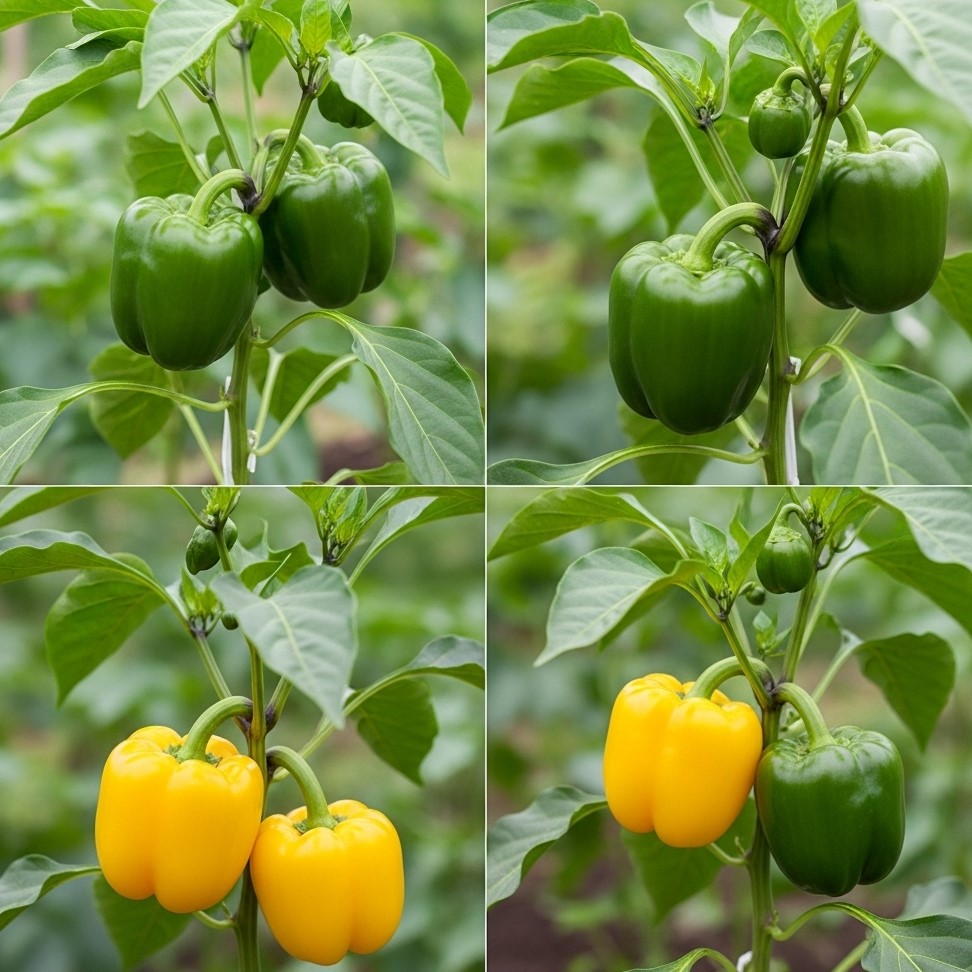
How to Grow Bell Peppers at Home Easily and Successfully
Growing bell peppers at home is easier than you might think. With a few simple techniques, you can ensure a high yield and enjoy fresh, organic peppers straight from your garden. This guide will take you through the easiest method to plant, nurture, and harvest bell peppers indoors or in a small outdoor space.
Choosing and Preparing the Best Bell Pepper Seeds
To start your bell pepper garden, selecting the right seeds is crucial. If you’re using seeds from store-bought peppers, choose the healthiest and most mature ones. If purchasing seeds, opt for organic, high-yield varieties for the best results.
Once you have selected your seeds:
- Dry the Seeds – Lay them out on a paper towel for a day or two to ensure they are completely dry.
- Soak in Water (Optional) – Some gardeners soak seeds overnight to speed up germination, though this step is not mandatory.
- Prepare the Soil – Use well-draining, nutrient-rich potting soil with good aeration to provide an optimal growing environment.
Planting the Bell Pepper Seeds
- Create a Planting Hole – Dig a small hole about 1/4 inch deep in your chosen pot or garden bed.
- Place the Seed – Drop one or two seeds into the hole and lightly cover them with soil.
- Water Gently – Moisten the soil but avoid overwatering, as excessive moisture can cause seeds to rot.
- Apply a Natural Growth Booster – Using a simple vitamin B complex supplement can significantly enhance early growth. This vitamin mix contains essential nutrients that help seedlings establish strong roots and grow faster.
To use the vitamin B complex:
- Crush one tablet into a fine powder.
- Sprinkle a small amount directly into the planting hole before covering it with soil.
- This will provide an immediate nutrient boost and encourage fast, healthy sprouting.
Creating a Greenhouse Effect for Faster Germination
To speed up germination and protect your seedlings, consider creating a mini greenhouse using plastic wrap or a clear plastic bag.
- Cover the planting area with plastic wrap to trap warmth and humidity.
- Secure the edges with small stones or tape to prevent air escape.
- Check daily for condensation inside the plastic; this is a sign of proper moisture retention.
- After about 10 days, tiny sprouts should appear, signaling successful germination.
Caring for Young Bell Pepper Plants
Once your seedlings emerge, proper care is essential for strong growth.
- Sunlight Requirements – Bell peppers love the sun! Place your pots or garden beds in a location where they receive at least 6 to 8 hours of direct sunlight daily.
- Watering – Keep the soil consistently moist but not soggy. Water in the morning to allow moisture to reach the roots before the heat of the day.
- Nutrient Boosting with Onion Peel Fertilizer – After about 2-3 weeks, you can add a homemade onion peel fertilizer to strengthen the plant.
- Soak onion peels in water for 24 hours.
- Use the strained liquid to water your plants.
- This organic fertilizer enriches the soil with nutrients, promoting healthier and faster growth.
Encouraging Flowering and Fruit Production
After about 40 days, your plant will begin preparing for flowering. At this stage, it’s important to provide additional nutrients to stimulate flower production, which leads to more peppers.
- Use Banana Peel Fertilizer – Banana peels are rich in phosphorus and potassium, which encourage flowering and fruiting.
- Chop banana peels into small pieces.
- Mix them into the soil around the base of your plant.
- Water the plant to help nutrients absorb into the soil.
- Add Organic Compost or Substrate – This helps to maintain soil fertility and provides a slow release of nutrients for ongoing plant health.
- Pruning (If Necessary) – Removing weak or damaged leaves can help the plant focus its energy on producing flowers and fruits.
Final Growth Stage and Harvesting
As the plant matures, bell peppers will begin to appear. At this stage, regular watering and feeding are still crucial.
- Keep the Soil Moist – Peppers need consistent moisture but should not be overwatered.
- Monitor for Pests – Aphids and spider mites are common pests; if detected, use natural solutions like neem oil or a mild soap spray.
- Harvest at the Right Time – Peppers can be harvested when they reach the desired size and color. Green peppers can be picked earlier, while red, yellow, or orange peppers should be left to fully ripen on the plant.
Enjoying Your Homegrown Bell Peppers
With minimal effort, you can successfully grow a thriving bell pepper plant that produces an abundance of fresh, organic peppers for your home. Whether you use them in salads, stir-fries, or stuffed pepper recipes, homegrown peppers are always more flavorful and nutritious than store-bought options.
By following these simple steps, you can turn your home into a productive green space, reducing grocery costs and enjoying the satisfaction of harvesting your own food.