
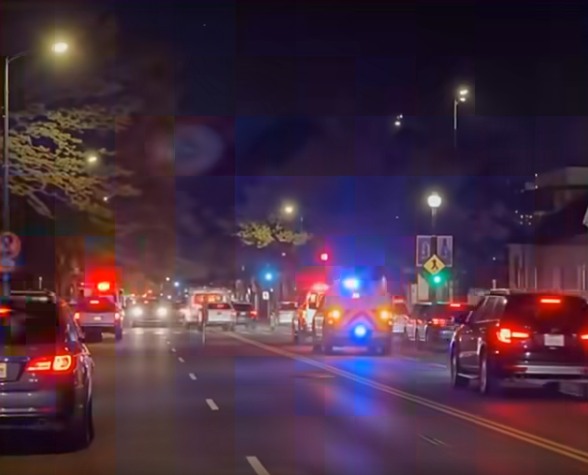
The evening had started with an unmistakable sense of excitement—an energy that Homecoming weekend at Howard University is famous for. From early morning, the streets of Washington, D.C., especially those surrounding the historic campus, began to fill with students wearing school colors, alumni returning from across the country, families visiting loved ones, and community members eager to be part of the yearly celebration.
Music drifted from car speakers, local vendors set up along Georgia Avenue, and the warm glow of streetlights illuminated a scene of unity and pride. Howard University’s Homecoming is more than an event; it is a cultural moment—one that brings together generations, celebrates achievement, honors history, and strengthens the sense of belonging that defines this prestigious institution.
As the sun began to set, the anticipation only grew stronger. Crowds swelled along the sidewalks, stopping at food trucks, greeting old friends, and taking photos in front of iconic campus landmarks.
Alumni embraced each other with laughter and nostalgia, students danced in circles outside dorm buildings, and families with young children walked hand in hand, enjoying the festive atmosphere.
Homecoming weekend has long been considered one of the safest, liveliest, and most joyful times at Howard University—a time when the community feels most deeply connected to its roots, traditions, and shared pride.
But just as the evening reached its peak, the unexpected happened.
A Sudden Shift From Celebration to Panic
Shortly after 8:30 p.m., a series of sharp, echoing pops cut through the music and chatter along Georgia Avenue. At first, some people thought it might have been fireworks—after all, the area was crowded, and sounds often bounce strangely between buildings.
But within seconds, the truth became undeniable. Panic swept through the crowd as the realization spread that gunfire had erupted dangerously close to the campus.
Witnesses later described the moment as surreal and heartbreaking. One student recalled the laughter around her turning into screams almost instantly. Another said he saw hundreds of people rush in different directions, desperately seeking safety behind cars, in storefronts, or back toward campus gates.
Parents instinctively shielded their children, vendors dropped their equipment, and security officers shouted for the crowd to move away from the street.
The festive air that had filled the night only moments before collapsed into fear, confusion, and disbelief.
Emergency Response: Minutes That Felt Like Hours
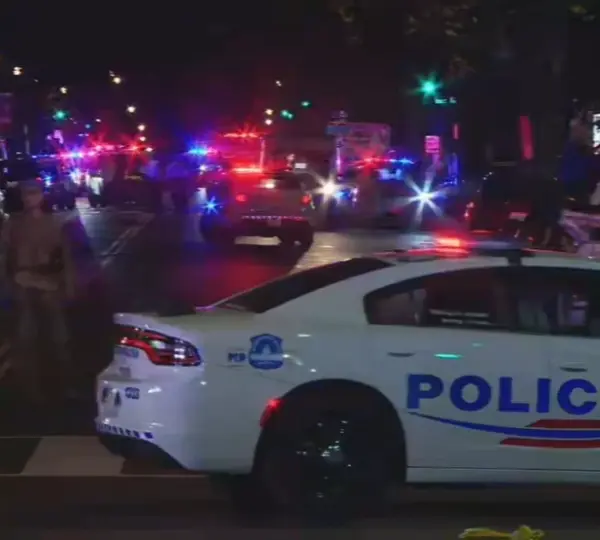
Police officers and emergency responders arrived at the scene within minutes, though to many who were caught in the chaos, those minutes felt painfully long. sirens wailed from multiple directions as patrol cars, ambulances, and fire department vehicles converged at the corner of Georgia Avenue and Howard Place NW.
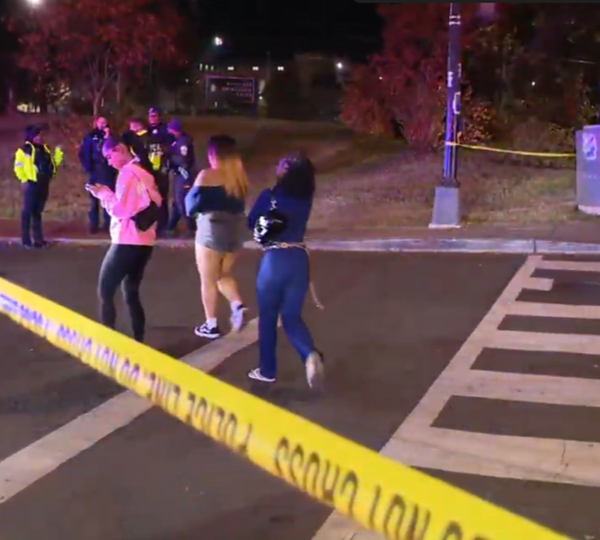
Officers immediately began establishing a perimeter, securing intersections, redirecting traffic, and urging people to move toward safer areas.
Paramedics tended to injured individuals with remarkable speed despite the challenging environment. Five people had been hit—four adults and a 13-year-old boy. Their injuries varied, but authorities later confirmed that all were expected to survive.
Though relief followed that announcement, the emotional impact of seeing wounded individuals on what should have been a night of unity was devastating for many.
Police at the scene recovered firearms and detained two suspects shortly after the incident. However, officers stated that the investigation was still ongoing, as they worked to determine whether additional people were involved and what exactly sparked the violence.
Early indications pointed to an argument near an off-campus gathering unrelated to Howard University events, though detectives continued analyzing surveillance footage and witness statements to establish a clear timeline.
Howard University’s Official Response: Leadership in a Moment of Crisis
Within hours, Howard University released a public statement expressing sorrow for the victims and reassurance for students, alumni, and families. “This act of violence is heartbreaking,” the statement said.
“Homecoming is a time meant for unity, celebration, and shared joy. We are deeply saddened that this incident occurred near our campus and disrupted what should have been a safe and uplifting evening.”
University President Ben Vinson III addressed the community with empathy and firmness. He assured students that enhanced security measures would remain in place throughout the weekend, including additional police patrols, increased campus security presence, and ongoing coordination with city officials.
His message resonated across the student body: the Howard University community would not let fear overshadow its tradition, legacy, or collective spirit.
Students appreciated the transparency and swift response from university leadership. Many mentioned that seeing staff, faculty, and security officers visible and present throughout the night brought them a sense of reassurance—not just in terms of safety but also in feeling supported during a moment of emotional distress.
City Leaders Condemn the Violence and Promise Action
Washington, D.C. Mayor Muriel Bowser also condemned the shooting, calling it a senseless act that endangered innocent people and disrupted an important cultural celebration. She pledged additional city resources to help maintain safety in the surrounding neighborhoods during the remainder of Homecoming weekend.
Officials emphasized that Howard University’s Homecoming is not just a school event—it is a citywide tradition that draws thousands of people and contributes significantly to local businesses and community engagement.
“We stand with Howard University and the families impacted by this violence,” Bowser said. “Public safety remains our top priority, and we will continue working closely with the university to ensure the well-being of everyone attending Homecoming events.”
Students, Alumni, and Community Members Unite After the Incident
In the hours following the shooting, messages of support poured across social media platforms from alumni, students, and supporters of Howard University nationwide. Many expressed heartbreak, frustration, and concern—not just for the victims, but for the impact this event could have on the sense of safety and joy traditionally associated with Homecoming weekend.
But amid the sadness and fear, a powerful sense of unity emerged.
Student organizations began organizing safe spaces for conversation, healing, and community reflection. Campus ministries opened their doors for prayer and emotional comfort. Counseling services extended their hours to support anyone struggling with anxiety or trauma due to the event. Faculty members offered flexibility for students emotionally affected by the experience.
Local churches and community centers in Northwest D.C. also expressed solidarity, planning candlelight vigils to honor the victims and promote messages of peace and resilience. These gatherings served as reminders that, despite the violence, the community would continue to stand together and refuse to be divided.
A Campus Determined Not to Let Fear Win
As the night progressed and crowds slowly dispersed back into dorms, hotels, and nearby neighborhoods, the conversation shifted from panic to reflection. Students spoke about the importance of staying connected, checking on one another, and refusing to let fear overshadow their sense of identity and belonging at Howard University.
Howard has faced challenges before, and each time, the community has responded with strength, dignity, and determination.
The events of the night were painful, but they also revealed how deeply the bonds of this community run—how quickly people step up to support one another, how instinctively they unite in moments of crisis, and how committed they are to maintaining a safe, vibrant environment even in the face of adversity.
The shooting may have disrupted a night of celebration, but it did not—and will not—define the Howard University Homecoming narrative. Instead, the lasting memory for many will be the resilience, bravery, and compassion displayed in the hours that followed.
In the days following the incident, the Howard University community entered a period of collective reflection. Students walked through the yard a little quieter than usual, their conversations often centered around what happened, how it made them feel, and what it meant for the future of their campus.
Professors paused their lessons to offer space for emotional processing, encouraging students to voice their thoughts and fears openly. Some classrooms became impromptu forums for discussing public safety, community responsibility, and the emotional toll that violent events impose on young people who should be focused on growth, education, and celebration.
Counselors reported that many students were not only frightened, but conflicted—torn between a desire to enjoy their Homecoming traditions and a lingering sense of caution that now hovered around areas that previously felt safe.
Others expressed frustration that a moment meant for unity had been overshadowed by an act of senseless violence occurring just outside the university’s borders. Yet even within that frustration, there was an unmistakable resilience, a collective determination to reclaim their sense of security and joy.
Student leaders from various organizations—Greek life, academic societies, student government, cultural clubs—began convening meetings to talk about long-term strategies for promoting safety without sacrificing the vibrancy of campus life.
They worked alongside faculty and administrators to propose improvements, including more lighting in surrounding streets, increased collaboration with local law enforcement, and community-driven initiatives aimed at reducing conflict in the neighborhoods adjacent to campus.