
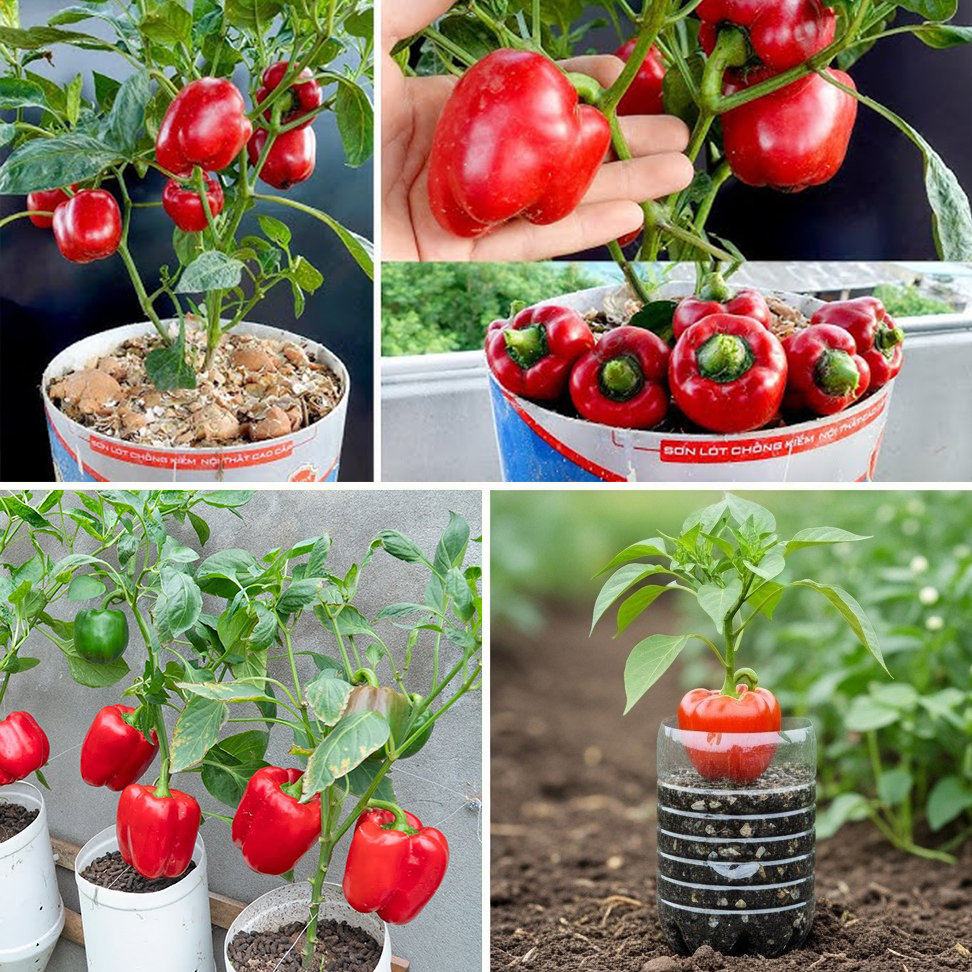
Tips for Recovering Bell Peppers from Pests: Essential Guide for Gardeners
Bell peppers are a staple in many home gardens, offering vibrant colors, delicious flavors, and a rich supply of vitamins. However, they are also prone to pest infestations that can significantly affect their growth and yield. Whether you’re dealing with aphids, caterpillars, spider mites, or fungal infections, taking the right recovery steps can help save your plants. In this guide, we’ll explore practical tips for recovering bell peppers from pests, ensuring a healthy and productive harvest.
Identifying Common Bell Pepper Pests and Their Damage
Before treating your plants, it’s crucial to identify the specific pest problem. Here are the most common pests that attack bell peppers:
-
- Aphids – Small, soft-bodied insects that suck sap from leaves, causing yellowing and curling.
- Spider Mites – Tiny, red or brown mites that create fine webbing and suck plant juices, leading to stippled leaves.
- Thrips – Microscopic insects that cause silvery streaks and deformed leaves.
-
- Caterpillars (Hornworms, Armyworms, Loopers) – Large chewing pests that eat leaves and bore into fruit.
- Whiteflies – Tiny, white flying insects that cause leaf yellowing and stunted growth.
- Flea Beetles – Small jumping beetles that create holes in leaves.
- Pepper Weevils – Lay eggs inside pepper fruits, leading to internal rot.
Step-by-Step Guide to Recovering Bell Peppers from Pests
Once you’ve identified the problem, follow these steps to nurse your bell pepper plants back to health:
1. Remove Affected Leaves and Pests Manually
-
- Inspect plants daily and remove any heavily infested or damaged leaves.
- Handpick visible pests such as caterpillars and dispose of them away from the garden.
- Shake the plant or use a strong water spray to dislodge aphids and whiteflies.
2. Use Natural Remedies for Pest Control
-
- Neem Oil Spray: Mix 1 teaspoon of neem oil with a few drops of dish soap in 1 liter of water. Spray on leaves every 5–7 days.
- Garlic or Chili Spray: Blend garlic, chili, and water, strain, and spray on affected plants to deter pests.
- Soapy Water: Mix a few drops of mild dish soap in water and spray directly on aphids and whiteflies.
3. Introduce Beneficial Insects
-
- Ladybugs and Lacewings naturally feed on aphids and small pests.
- Parasitic Wasps help control whitefly and caterpillar populations.
- Planting flowers like marigolds and dill attracts these beneficial insects.
4. Apply Organic or Natural Pesticides
-
- Diatomaceous Earth (DE): A fine powder that dehydrates and kills soft-bodied insects.
- Bacillus thuringiensis (BT): A natural bacterial spray that targets caterpillars without harming beneficial insects.
- Pyrethrin-Based Sprays: Effective against a wide range of pests but should be used sparingly.
5. Improve Plant Health and Resistance
-
- Fertilize Correctly: Use compost, well-rotted manure, or organic fertilizer to boost plant immunity.
- Ensure Proper Watering: Keep soil consistently moist but avoid overwatering, which can stress plants.
- Prune for Air Circulation: Trim lower leaves to reduce humidity and prevent fungal growth.
6. Use Companion Planting and Crop Rotation
-
- Plant Basil, Marigolds, or Onions near bell peppers to repel pests naturally.
- Avoid planting bell peppers in the same spot every year to prevent pest build-up.
7. Protect Plants with Physical Barriers
-
- Floating Row Covers: Prevent insects from reaching plants while allowing sunlight and water through.
- Mulching: Use organic mulch to prevent soil-borne pests from attacking the roots.
- Sticky Traps: Catch flying pests like whiteflies and thrips.
Recovering Bell Peppers from Fungal and Bacterial Infections
Pests often introduce secondary diseases like bacterial leaf spot, powdery mildew, or root rot. Follow these steps to manage infections:
-
- Remove and Destroy Infected Leaves to prevent disease spread.
-
- Apply a Baking Soda Spray (1 teaspoon baking soda + 1 quart water + a few drops of dish soap) to control fungal infections.
- Use Copper-Based Fungicides for bacterial infections, applying in the early morning.
- Space Plants Adequately to improve airflow and prevent disease.
Preventing Future Pest Infestations
Once your bell peppers recover, take preventive measures to keep pests away:
-
- Inspect Plants Regularly: Look for early signs of pests or diseases.
- Encourage Biodiversity: Maintain a variety of plants to attract natural predators.
- Clean Garden Tools and Pots to prevent the spread of pests.
- Use Crop Covers Early in the Season to prevent insect infestations.