
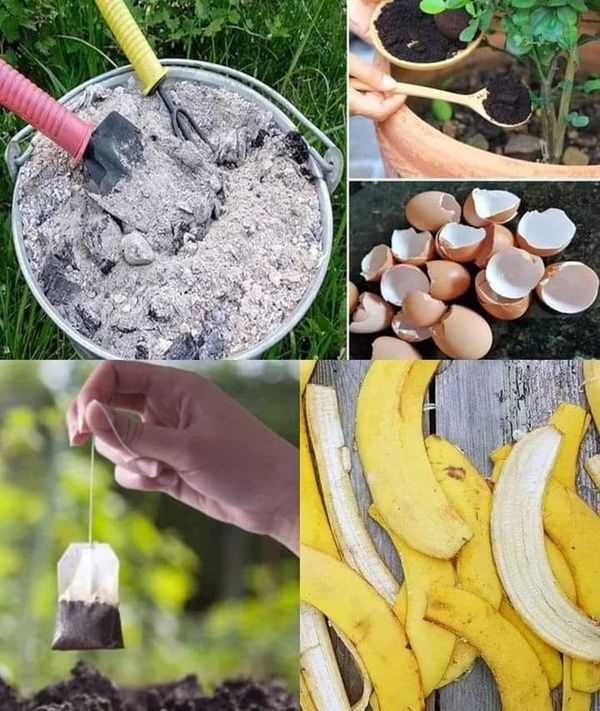
Ever peeked into your kitchen trash and wondered if there’s a better use for those banana peels, eggshells, or used tea leaves? As it turns out, the very items we throw away after meals might be exactly what your plants are hungry for.
Homemade fertilizers are more than just budget-friendly, they’re a sustainable, natural way to nourish your soil, reduce chemical exposure, and help your garden flourish.
Whether you’re growing tomatoes on the patio or tending a balcony jungle, these twelve kitchen-sourced fertilizers can help you cultivate lush greenery with little effort and zero waste.
#1. Banana Peels
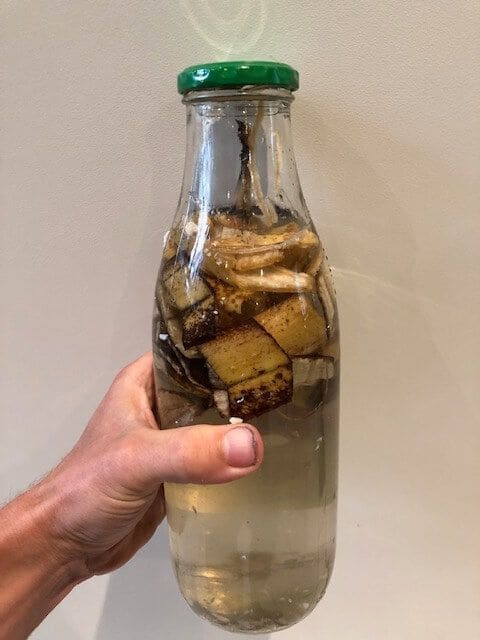
Banana peels are a garden’s quiet hero. They’re loaded with potassium and phosphorus, nutrients that fuel flowering and fruit development.
Instead of tossing them out, you can cut them into pieces and bury them near the root zone of plants. Some gardeners prefer to soak them in water for a few days to make a mild, potassium-rich banana “tea.”
Either way, your roses, peppers, and fruit trees will thank you with brighter blooms and better yields.
#2. Coffee Grounds
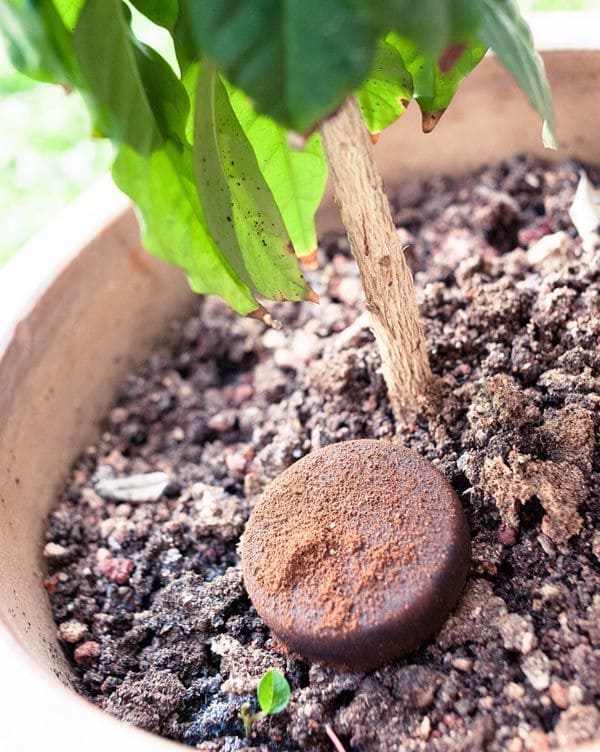
Used coffee grounds offer a gentle dose of nitrogen, which leafy vegetables and houseplants adore. Their slightly acidic nature makes them ideal for acid-loving plants like blueberries, azaleas, and roses.
Once the grounds are dry, sprinkle them sparingly around the base of your plants or blend them into your compost pile.
Just be mindful of quantity as too much can throw off soil pH or attract mold. A light touch goes a long way.
#3. Eggshells
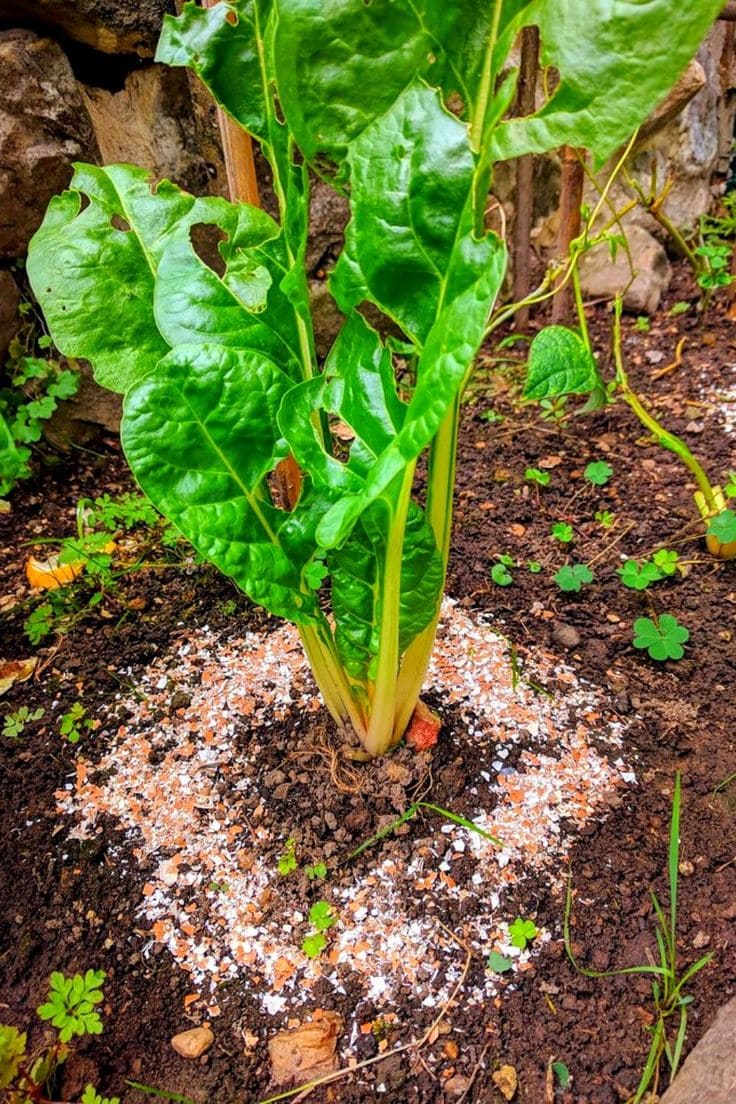
Eggshells provide a slow but steady supply of calcium, which is crucial for strong cell walls and the prevention of blossom end rot, especially in tomatoes and peppers.
After rinsing and drying them, you can crush the shells into small fragments or grind them into a fine powder for faster absorption.
When worked into potting mix or garden soil, they break down over time, feeding your plants and improving soil structure.
#4. Used Tea Leaves
Used tea leaves, particularly from black or green tea, contain trace minerals and nitrogen. When mixed into garden beds or compost, they enrich the soil while enhancing its texture and drainage.
Tea is especially helpful for acid-loving plants, and it decomposes quickly, making it a gentle, balanced addition to any garden. Just make sure your tea is free from added sugar or synthetic flavors before spreading it around your greenery.
#5. Vegetable Cooking Water
The water leftover from boiling vegetables is often poured down the sink, but it’s actually rich in nutrients like potassium, calcium, and magnesium.
Once the water has cooled completely, it can be used to irrigate houseplants or outdoor beds. It’s a simple, no-cost way to recycle minerals back into your soil.
Be careful not to use salted water, though, as sodium can damage plant roots and disrupt soil balance.
#6. Epsom Salt
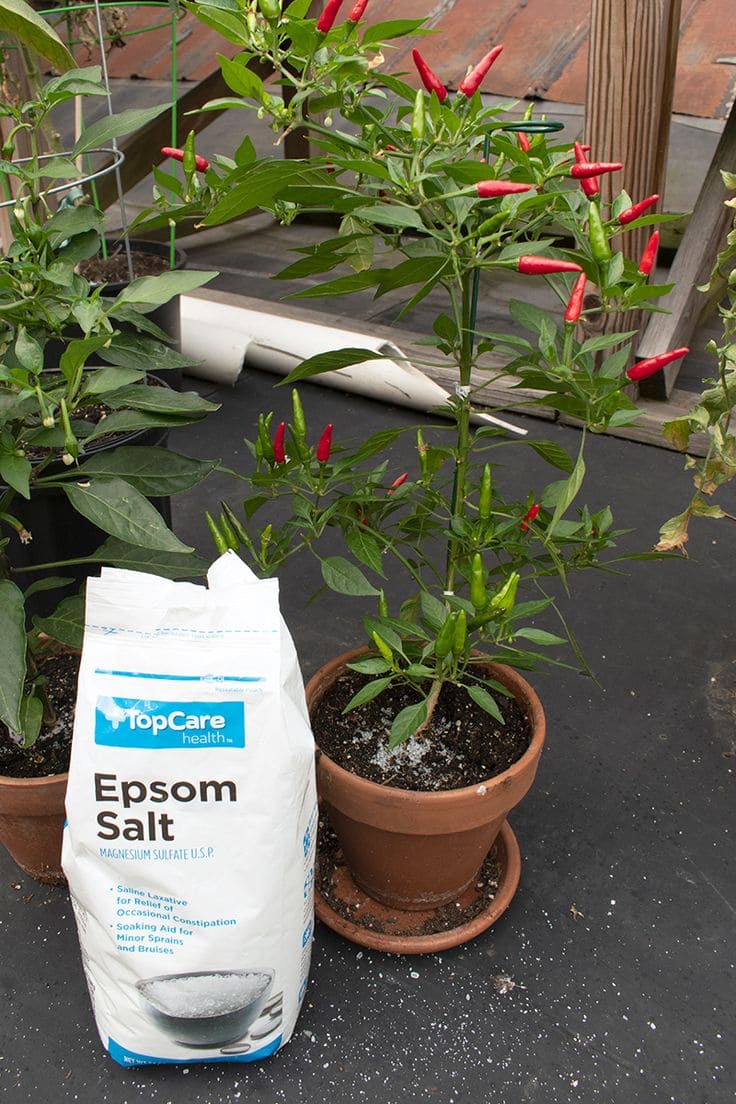
Epsom salt, commonly found in most households, contains magnesium and sulfur, two elements that are often overlooked but vital for healthy plant growth. Magnesium helps with photosynthesis and seed germination, while sulfur supports enzyme function.
To make a simple solution, dissolve a tablespoon of Epsom salt in a gallon of water and apply it to the soil or as a foliar spray. Tomatoes, peppers, and roses especially benefit from this extra boost.
#7. Wood Ash
If you have a fireplace or wood-burning stove, the ashes from untreated wood can be a valuable source of potassium and calcium. Wood ash also raises the pH of acidic soil, making it a natural remedy for overly sour garden beds.
Sprinkle it lightly around plants or mix it into compost to balance nutrient content. Just avoid ash from chemically treated or painted wood, and don’t overuse it as too much can throw off soil pH.