
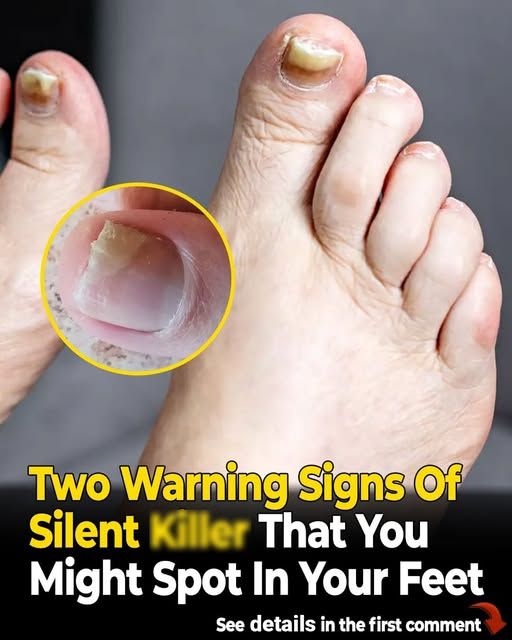
How much attention do you pay to your feet? Truth is that except for a few sessions of pedicure every now and then, most of us simply ignore our feet. However, what most people aren’t aware of is that our feet can reveal far more about our overall health than we realize.
Buy vitamins and supplements
Those slight changes many of us ignore can indicate diseases like heart disease or diabetes.
Knowing that there is a connection between feet and overall health can lead to earlier detection of problems.
How Foot Health Reflects Overall Health
Our feet don’t only respond to long days or ill-fitting shoes, they can also indicate more serious health problems. Noel Wicks, pharmacist and expert advisor to Excilor, shared with The Express UK how vital it is to keep an eye on your feet. She said circulation-related changes, muscle-related changes and even changes to toenails can indicate underlying medical conditions.
“We need to keep an eye on our foot health, including our toenails, because it can impact on our overall health and be a sign of [serious] health issues,” she explained.
Each foot has 26 bones, 30 joints, and more than 100 muscles and an extensive network of blood vessels. Aside from assisting us in getting around, they also can serve as an early detecting system for health problems such as heart disease.

Heart Disease Warning Signs in the Feet
Because they are one of the farthest parts of the body from the heart, the tiny blood vessels in the toes are particularly vulnerable to fatty buildup, a major sign of heart disease.
Cold feet, numbness, pain, swelling, or discomfort in general, are symptoms to look for, Wicks says. Toenail changes, such as thickening or becoming more brittle, can also indicate circulation problems related to heart disease.
Those with symptoms like these need to see a doctor urgently.

Managing and Preventing Heart Disease
If symptoms of foot problems indicate a heart problem, prompt medical evaluation is necessary. The treatment depends on the severity, and may include lifestyle changes, medication, or surgical treatment. Long-term care typically involves occasional monitoring and adherence to long-term treatment regimens. Your best bet is still prevention. A healthy diet, a good amount of exercise, enough sleep, and no excessive smoking or drinking can go a long way toward keeping your heart healthy.

Diabetes Signs That Show Up in the Feet
Feet can also show early signs of diabetes, which is linked to heart disease. Symptoms may be tingling, burning, numbness or pain, and the skin can be dry or cracked, there may be slow-healing wounds, fungal infections, or athlete’s foot. While such signs may seem minor, they are telltale hints of nerve damage. Numbness, for example, is known to cause the person to stumble often because the brain is getting less information about foot movement.

Treating and Preventing Diabetes
Early diagnosis and appropriate treatment of diabetes are very important to avoid late-stage complications. Symptoms affecting the feet can indicate diabetes and its progression. It is strongly recommended to see a doctor immediately. Therapy is usually aimed at control of blood glucose by healthy diet, exercise, oral antidiabetic agents, insulin if necessary, and monitoring of blood glucose. The preventive recommendations are the same – lose weight (if you need to), get moving, eat balanced meals and monitor your blood sugar levels.
Please SHARE this article with your family and friends on Facebook.
Bored Daddy
Love and Peace