
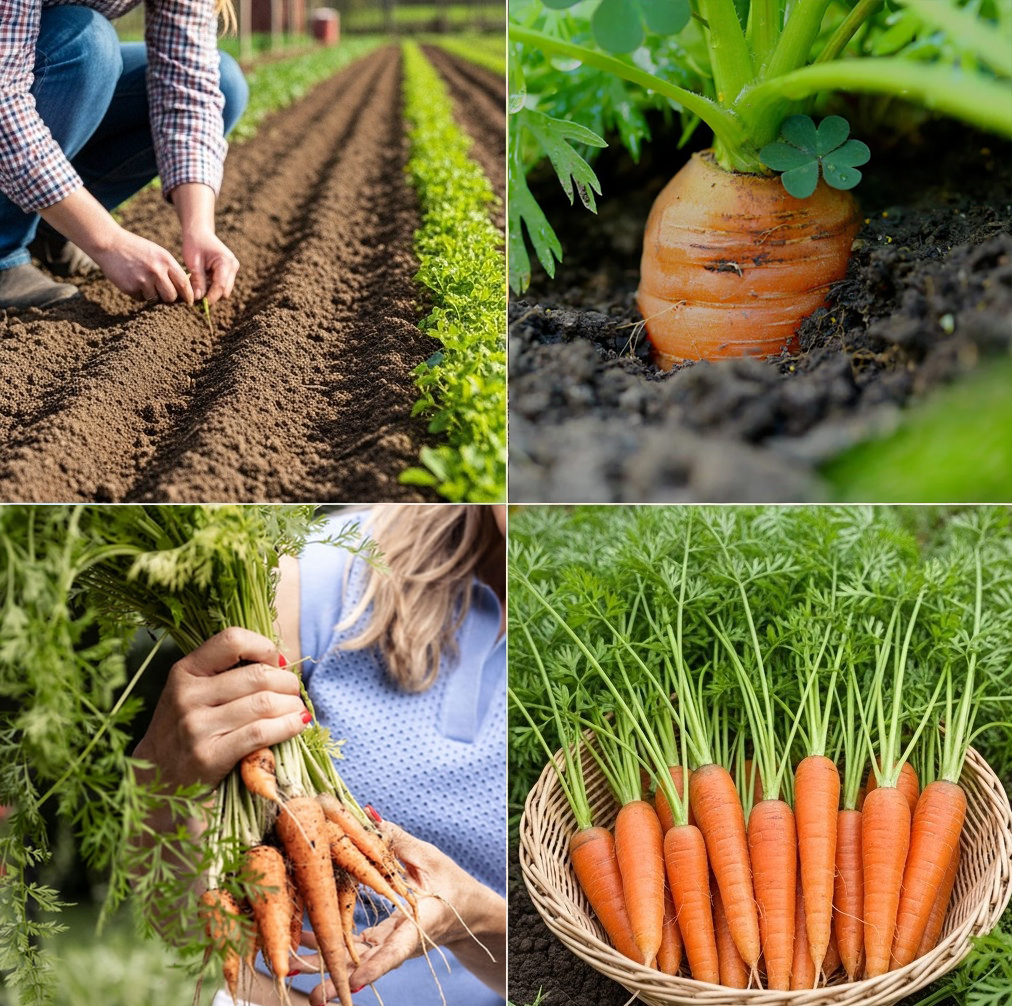
Carrots are a favorite root vegetable, prized for their sweet flavor, crisp texture, and nutritional benefits. Growing your own carrots at home is highly rewarding, but many gardeners struggle with slow growth or poor yields. The good news is, by following a few key steps and best practices, you can nurture carrots effectively and enjoy faster, healthier harvests than ever before.
This guide will take you through everything you need to know—from soil preparation to watering and harvesting—to speed up carrot growth and maximize your crop’s success.
Understanding Carrots and Their Growing Needs
Carrots are biennial plants grown as annuals for their edible roots. They prefer cooler weather and thrive in well-drained, loose soil that allows roots to expand easily. Proper care throughout their growing cycle encourages robust growth, improves flavor, and reduces common problems like forked or misshapen roots.
Step 1: Choose the Right Variety for Speedy Growth
Some carrot varieties mature faster than others. For quicker results, select early-maturing types such as:
-
- ‘Thumbelina’ — A small, round carrot variety ready in about 50 days.
- ‘Nantes’ — Known for its sweet taste and typically matures in 55-65 days.
- ‘Amsterdam Forcing’ — A very early variety that can be harvested in just 50 days.
Starting with a fast-growing variety gives you a head start on your harvest and increases your chances of success.
Step 2: Prepare Soil Properly for Faster Growth
Soil preparation is critical for carrot development because carrots need loose, well-draining soil to grow straight and develop fully.
-
- Clear debris and rocks: Remove stones and clumps that can obstruct root growth and cause deformities.
- Loosen soil: Use a garden fork or tiller to break up compacted soil to a depth of at least 12 inches.
- Add organic matter: Mix in compost or well-rotted manure to improve soil fertility and moisture retention.
- Check pH: Carrots prefer a slightly acidic to neutral soil pH of 6.0 to 6.8. Amend soil if necessary.
Avoid heavy clay soils or amend them heavily to create a lighter, friable texture.
Step 3: Sow Seeds Correctly and Thin Seedlings
Proper sowing and thinning maximize carrot growth:
-
- Sow directly in the garden about 2-3 weeks before the last expected frost in spring, as carrots prefer cool soil.
-
- Plant seeds ¼ inch deep in rows spaced 12-18 inches apart.
- Water gently but thoroughly after sowing.
- Carrot seeds can be slow to germinate, often taking 10–21 days.
- Once seedlings reach 2-3 inches tall, thin them to 1-2 inches apart to avoid overcrowding, which slows root growth.
Thin carefully by snipping unwanted seedlings at the soil line to avoid disturbing nearby roots.
Step 4: Watering for Optimal Growth Speed
Consistent moisture is vital for rapid carrot growth:
-
- Keep soil evenly moist but not waterlogged.
-
- Water deeply about once or twice a week depending on weather conditions.
- Mulch around carrots with straw or shredded leaves to retain moisture and regulate soil temperature.
- Avoid letting soil dry out, which causes carrots to become woody or develop cracks.
Proper watering encourages steady root development and reduces stress on plants.
Step 5: Fertilizing to Boost Growth
While carrots don’t require heavy fertilization, providing balanced nutrients speeds up growth:
-
- Use a balanced fertilizer high in phosphorus and potassium but moderate in nitrogen.
- Too much nitrogen encourages leafy tops at the expense of root growth.
- Apply fertilizer before planting or as a side dressing once seedlings emerge.
- Organic options like fish emulsion or seaweed extract can also promote healthy root development.
Healthy soil nutrition supports fast and strong carrot growth.
Step 6: Control Pests and Diseases
Pests and diseases can slow carrot growth significantly. To prevent problems:
-
- Rotate crops yearly to reduce soil-borne diseases.
- Use row covers early in the season to protect against carrot flies.
- Keep the garden free of weeds that harbor pests.
- Inspect plants regularly for signs of fungal diseases and treat promptly if needed.
- Avoid overwatering to reduce root rot risk.
Healthy plants grow faster and produce better yields.
Step 7: Harvesting Carrots at Peak Time
Harvest carrots promptly when mature for the best flavor and texture:
-
- Early varieties are typically ready between 50 and 70 days after sowing.
- Check size by gently brushing soil away from the top of the root.
- Carrots can be harvested baby-sized for quick snacks or left to mature fully.
- Harvest after a light frost for sweeter flavor, but avoid hard freezes.
- Use a garden fork to loosen soil before pulling carrots out gently to avoid breakage.
Regular harvesting prevents overcrowding and encourages continued growth in successive sowings.
Bonus Tips for Even Faster Carrot Growth
-
- Pre-soak seeds: Soak carrot seeds in warm water for 24 hours before planting to speed up germination.
- Use seed tape: This helps space seeds evenly and reduces thinning time.
-
- Succession planting: Sow small batches every 2-3 weeks to ensure continuous harvests.
- Provide shade: In hot climates, provide afternoon shade to prevent stress.
- Grow in raised beds: These warm faster in spring and drain better, boosting early growth.
Conclusion
Nurturing carrots for faster results requires choosing the right varieties, preparing soil well, careful sowing and thinning, consistent watering, balanced fertilization, pest management, and timely harvesting. With these techniques, even beginner gardeners can enjoy a bountiful carrot harvest sooner than expected.
By implementing these steps, you will transform your carrot-growing experience, ensuring healthy, delicious roots that bring joy to your kitchen and garden.