
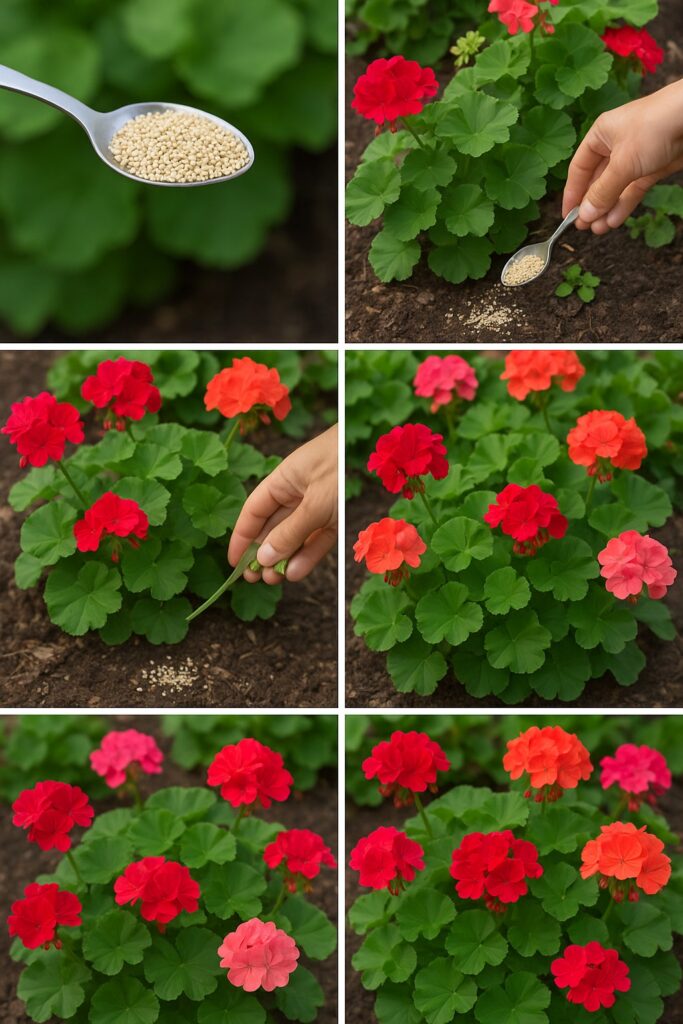
Nothing delights a gardener more than a garden full of vibrant, blooming flowers. Whether it’s roses, petunias, geraniums, or marigolds, healthy and frequent blooms are the ultimate sign of success. But sometimes, despite proper watering and sunlight, flowering plants slow down or stop blooming altogether.
When that happens, it’s usually a sign the soil is lacking key nutrients — especially phosphorus and potassium, which fuel flower development. Fortunately, there’s a simple and affordable way to encourage lush, continuous blooming: just one teaspoon of a powerful natural booster can make all the difference.
This time-tested garden trick is easy to use and safe for nearly all ornamental flowers. With just a bit of preparation and consistent care, you’ll enjoy an explosion of blossoms that lasts all season.
Why Flowers Stop Blooming
Before diving into the solution, it’s important to understand why flowering may slow or stop:
- Lack of nutrients, especially phosphorus and potassium
- Over-fertilizing with nitrogen, which promotes leaves, not flowers
- Poor soil structure or drainage
- Stress from heat, drought, or pests
- Spent blooms not being removed
Addressing these issues ensures your flowers don’t just survive but thrive.
The Secret: A Teaspoon of Natural Bloom Booster
The trick is to feed your plants with a homemade flower fertilizer made from ingredients rich in the nutrients that promote flower development. One of the best natural bloom boosters uses monopotassium phosphate (MKP) — a highly effective source of both phosphorus (P) and potassium (K).
But if you prefer fully natural options available in most homes, the following ingredients work wonders with just one teaspoon per application: